
Expert Frozen Septic System Repair Services in New Hampshire
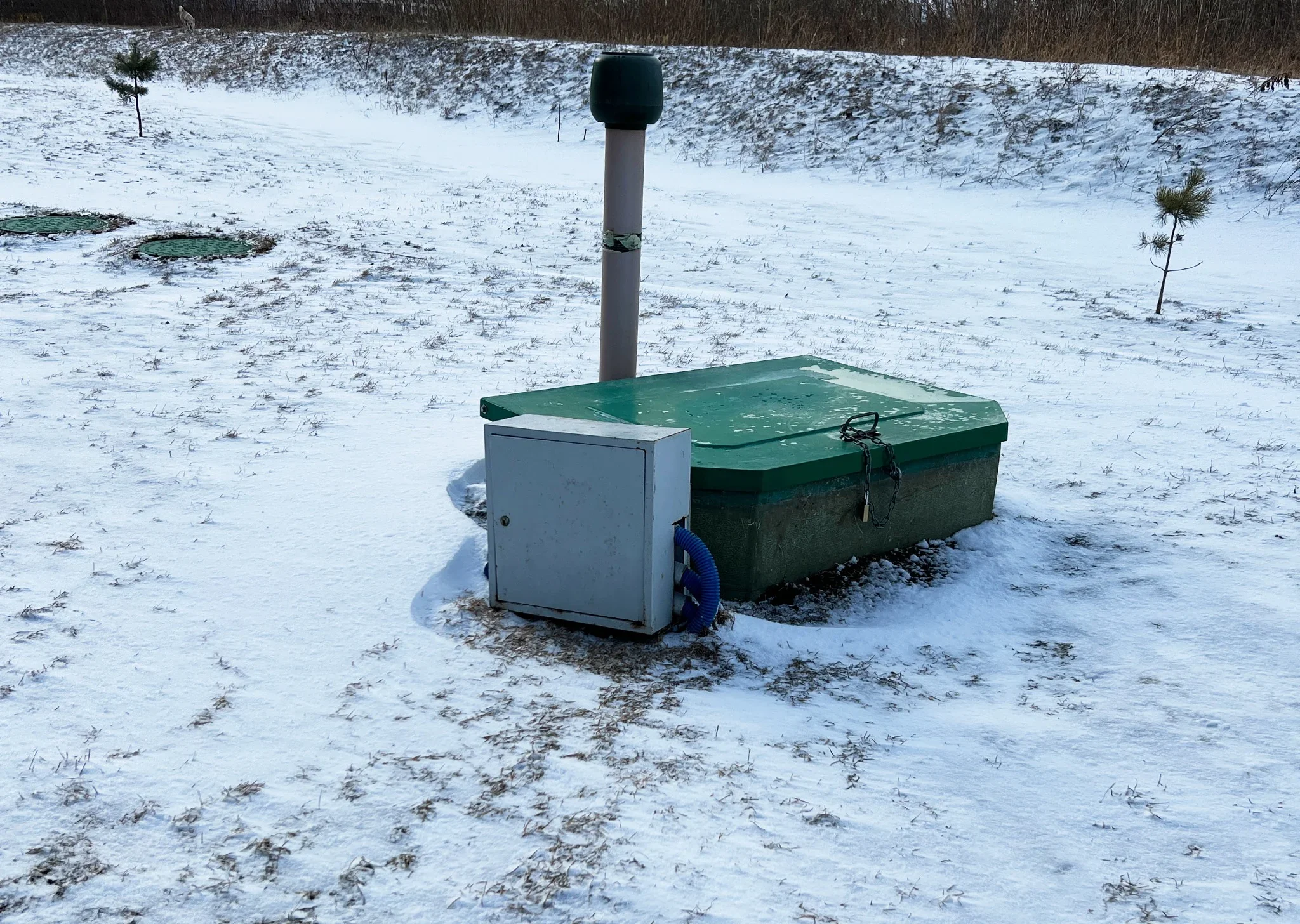
A frozen septic system can quickly disrupt your household and cause damage if not handled correctly. Frozen septic system repair involves safely locating and thawing septic system components that have frozen due to cold weather. Frozen conditions may affect the septic tank, inlet or outlet pipes, or portions of the system beyond the house.
Townes Septic Service offers comprehensive frozen septic system repair in New Hampshire, including:
Diagnosis of frozen septic system components
Safe thawing of frozen tanks, sewer pipes, or system connections
Restoration of proper wastewater flow
Identification of conditions that caused freezing
Recommendations to reduce the risk of refreezing
Our goal is not just to thaw the system, but to restore reliable function and protect it for the remainder of the winter.
[Insert “Get Pricing on a Septic System” contact form on the right side of this section]
What’s Included With Frozen Septic System Repair
System Assessment
We evaluate your septic system symptoms and winter conditions to determine where freezing has occurred and how it’s affecting system flow.
Freeze Location
Our team locates the exact septic system components that are frozen and need repair, whether in the septic tank, pipes, or system connections.
Safe Thawing
Frozen tanks, pipes, or components are thawed using safe, professional methods designed to protect septic system materials and surrounding areas.
Flow Restoration
Once thawed, we restore normal wastewater flow and confirm the system is functioning properly.
Damage Inspection
We inspect septic system components for damage caused by freezing, such as cracks, blockages, or compromised connections.
Freeze Cause Identification
We identify contributing factors such as exposure, shallow components, or low winter use that led to the freezing.
Refreeze Prevention Guidance
Based on our findings, we provide recommendations to help reduce the risk of refreezing during the remainder of the winter.
Why Choose Townes for Frozen Septic System Repair?
Local Expertise
We understand New Hampshire’s winters, septic system designs, and soil conditions. Our team brings the right mix of local experience and precision to safely repair frozen septic systems.
Honest, Reliable Service
You’ll always know what we’re doing and why. We focus on resolving the problem correctly, without upselling unnecessary services or shortcuts that could cause future issues.
Fast Response Times
Frozen septic systems can’t wait. We respond quickly to restore proper flow and minimize disruption to your household during cold weather.
Protective for Your Septic System
Our thawing and repair methods are safe for septic system components. We avoid harsh chemicals or risky techniques that can damage tanks, pipes, or drain fields and lead to bigger problems.
Frequently Asked Questions
What are the signs of a frozen septic system?
Common signs include slow or backed-up drains, toilets that won’t flush, gurgling sounds, or sewage odors during very cold weather.
Is a frozen septic system an emergency?
It can become an emergency if wastewater backs up into the home. Limiting water use and calling for professional help promptly can help prevent damage.
Can I thaw my septic system myself?
DIY thawing methods such as adding chemicals, lighting fires, or running water continuously can damage the system and create safety hazards. Professional repair is strongly recommended.
How long does it take to fix a frozen septic system?
The timeline depends on where the freeze is located and how severe it is. Some systems can be restored the same day, while others may take longer.
How can I prevent my septic system from freezing again?
Prevention often includes improving insulation, maintaining soil cover, sealing exposed components, and keeping consistent winter water use.
How much does frozen septic system repair cost?
The cost of frozen septic system repair depends on where the freeze occurs, how severe it is, and what steps are needed to safely restore flow. After inspecting the system, we can explain the repair approach and provide clear pricing before work begins.